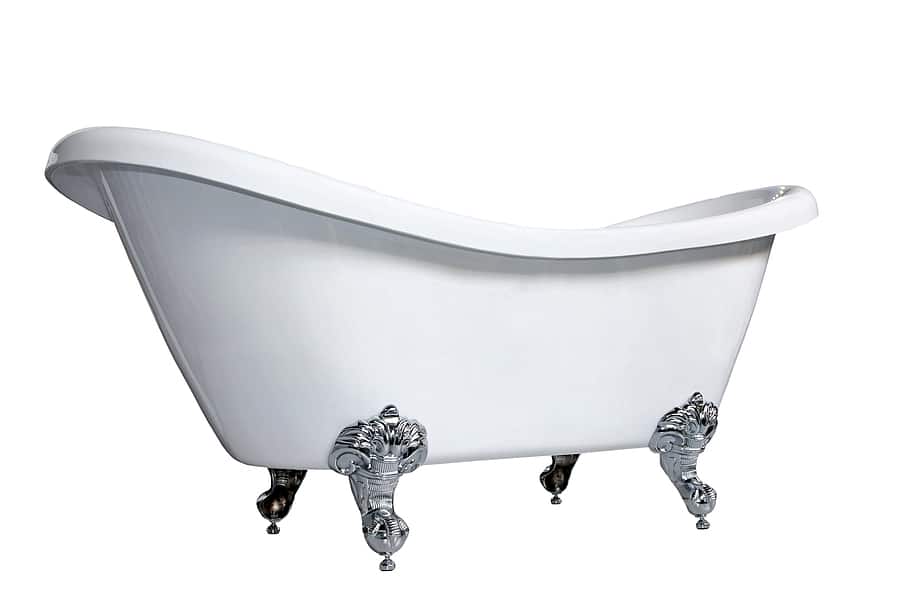
The Tubguy knows that when planning a bathroom remodel, one of the biggest decisions you’ll make is selecting the right bathtub material. With options like acrylic, cast iron, steel, and stone resin available, each has its own benefits and drawbacks, but one of the most popular and budget-friendly choices is the fiberglass bathtub. In this post, we’ll explore what fiberglass tubs are, how they perform, and how they stack up against other common bathtub materials.
What Is a Fiberglass Bathtub?
A fiberglass bathtub is made from sheets of reinforced fiberglass that are coated with a layer of gelcoat. Fiberglass itself is composed of fine glass fibers embedded in a resin matrix, creating a lightweight but durable material. The gelcoat layer gives the tub its smooth, glossy finish and helps protect it from scratches and moisture.
Why Choose a Fiberglass Tub?
Fiberglass tubs are a popular choice for several reasons:
- Affordability: Compared to other materials like cast iron or stone resin, fiberglass is typically one of the most cost-effective bathtub options. This makes it ideal for budget-friendly renovations or rentals.
- Lightweight: Fiberglass tubs are much lighter than cast iron or stone alternatives, making them easier and less expensive to install. This is especially helpful in second-floor bathrooms where weight matters.
- Easy to Repair: Small scratches, chips, or dull spots can often be buffed out or refinished without replacing the entire tub. Bathtub refinishing is an efficient and cost-effective alternative.
- Variety of Shapes and Sizes: Fiberglass can be molded into many configurations, offering versatility for different bathroom layouts.
How Fiberglass Compares to Other Bathtub Materials
Fiberglass vs. Acrylic
Both materials are lightweight and affordable, but acrylic tubs are generally considered a step up in quality.
- Durability: Acrylic is more resistant to cracking and fading than fiberglass.
- Finish: Acrylic tends to retain its shine longer and resists staining better.
- Cost: Fiberglass usually costs less upfront.
If you want a balance of performance and price, acrylic is often the “middle ground” – more durable than fiberglass but less expensive than cast iron.
Fiberglass vs. Porcelain-Enamel Steel
Steel tubs are made from a thin sheet of steel coated with porcelain enamel.
- Durability: Steel is more durable and chip-resistant than fiberglass.
- Heat Retention: Steel cools down faster than fiberglass, so your bathwater may lose heat quicker.
- Weight: Steel is heavier than fiberglass but lighter than cast iron.
Steel tubs can be a good mid-range option, though they may dent if struck hard.
Fiberglass vs. Cast Iron
Cast iron is one of the most long-lasting bathtub materials available.
- Durability: Cast iron is extremely rugged and chip-resistant—but if the enamel does chip, repairs are noticeable.
- Heat Retention: Excellent – water stays warmer longer.
- Weight: Very heavy, often requiring reinforcement and higher installation costs.
- Cost: Significantly more expensive than fiberglass.
Cast iron is ideal if longevity and heat retention are your top priorities and budget isn’t a constraint.
A fiberglass bathtub offers a cost-effective, lightweight, and easy-to-maintain solution, especially for budget-minded homeowners or rental properties. While it may not offer the longevity or premium feel of acrylic or cast iron, it holds its own as a practical everyday choice. Understanding how it compares to other materials can help you match your bathroom goals with the right bathtub for your home. Contact The Tubguy at (330) 272-3741 to learn more about fiberglass bathtubs and bathtub repairs.